Sports Massage for Sciatica
How Sports Massage Can Help With Sciatic-Related Pain
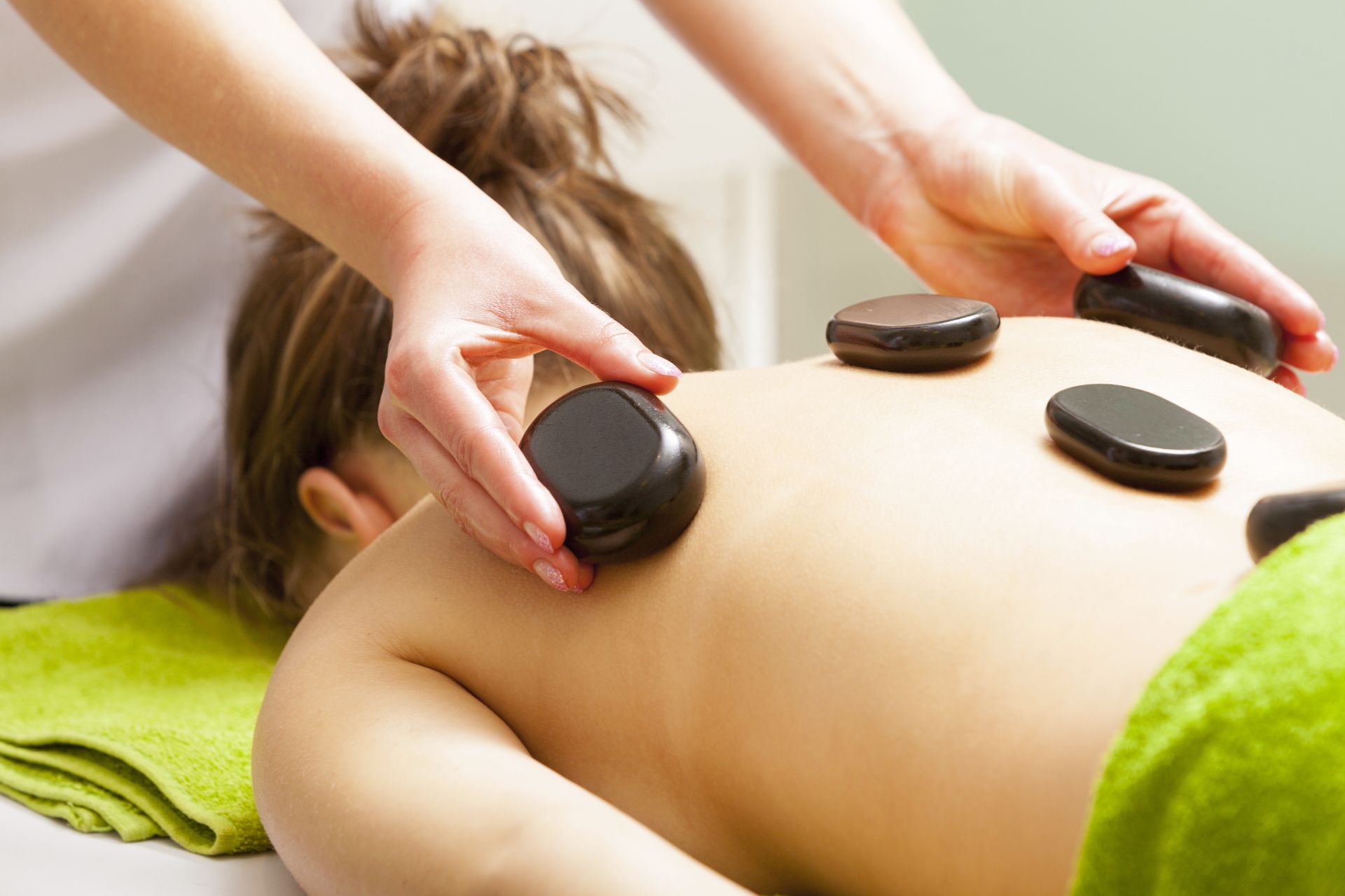
Sports massage is moe than just relaxation, it uses targeted techniques to address muscle tension, improve circulation, and reduce nerve irritation. For conditions involving the sciatic nerve, heel pain, plantar fascia stress, and hamstring tightness, sports massage can play a supportive role in treatment and recovery.
1. Sports Massage Can Reduce Muscle Tension Around the Sciatic Nerve
The sciatic nerve often becomes irritated when surrounding muscles are excessively tight. The piriformis, gluteals (buttock muscles) and hamstrings are key culprits. Sports massage can:
- Relieve tension in these muscle groups and thus reduce pressure on the nerve.
- Improve tissue pliability, allowing freer movement and reducing “trapped nerve” sensations.
2. Sports Massage Can Help with Heel Pain and Plantar Fasciitis
When sciatica causes referred pain into the heel or contributes to plantar fascia strain sports massage can help by:
- Mobilising the calf muscles (gastrocnemius and soleus), which often shorten and increase strain on the fascia.
- Improving blood circulation in the lower leg and foot, supporting tissue healing.
- Breaking down adhesions and scar tissue in the fascia itself, if plantar fasciitis is present.
3. Sports Massage Can Relieve Hamstring Strain and Stiffness
Chronic sciatic irritation can leave the hamstrings feeling persistently tight or painful. Sports massage techniques such as deep tissue strokes, deep trigger point release, and myofascial work can:
- Reduce protective spasms in the hamstrings.
- Restore flexibility and joint range of motion.
- Enhance recovery when used alongside stretching and strengthening exercises.
Hamstring Pain and Muscle Tension
The hamstrings lie directly along the sciatic nerve’s pathway at the back of the thigh and attach from the pelvis to the inner knee. Chronic sciatic irritation can cause hamstring tension, protective spasms or chronic pains that feel like a muscle injury. Over time, the body may respond to nerve irritation with increased muscle tension in surrounding regions such as the glutes, hamstrings, calves, and even intrinsic foot muscles creating a cycle of discomfort. This explains why sciatica often feels like an overwhelming combination of muscular and nerve pain rather than a single, isolated problem as the whole leg and foot and the lower back can be painful all at the same time.
Why This Connection Matters
Recognising the role of the sciatic nerve in heel and hamstring pain is essential for accurate diagnosis and effective treatment. Approaches such as nerve mobilisations, targeted stretching, strengthening exercises, postural correction and medical interventions (where necessary) can address the root cause rather than just the symptoms. Left untreated, sciatic irritation can be prolonged, perpetuate chronic pain, limit mobility within the spine and lower limbs and place unnecessary strain on the musculoskeletal system.
4. Promoting Nervous System Relaxation
Massage doesn’t just affect muscles, it also influences the nervous system. By calming overactive pain signals and promoting parasympathetic activity, sports massage may:
- Reduce the perception of pain.
- Encourage muscle and joint relaxation in the entire lower limb.
- Provide relief by 'breaking the cycle' of nerve irritation which leads to muscle guarding and in turn worsens discomfort.
Summary
Sports massage should be viewed as part of a holistic approach rather than a stand-alone cure. When combined with corrective exercise, posture work, physiotherapy or medical care where needed, massage can accelerate recovery, reduce pain and restore joint and muscular function.
References
- Hopayian, K., Song, F. Riera., R., Sambandan, S. (2010) The clinical features of the piriformis syndrome: a systematic review, European Spine Journal, 19; 12: 2095–2109.
- Riddle, D. L., Pulisic, M., Pidcoe, P., Johnson, R. E. (2003) Risk factors for plantar fasciitis: a matched case-control study, Journal of Bone and Joint Surgery, 85; 5: 872–877.
- Stafford, M. A., Peng, P., & Hill, D. A. (2007) Sciatica: a review of history, epidemiology, pathogenesis, and the role of epidural steroid injection in management, British Journal of Anaesthesia, 99; 4: 461–473.
- Tarulli, A. W., & Raynor, E. M. (2007) Lumbosacral radiculopathy, Neurologic Clinics, 25; 2: 387–405.